Smart Casual Maroon Ribbed Polo Shirt & White Trousers Combo Set
$5.99
$79.99
(93% OFF)
Sold By
Cotton Culture
3.9 623 Followers
Select Size
Product Description:
Product Details
Product Type: Polo Shirt & Trousers Combo Set
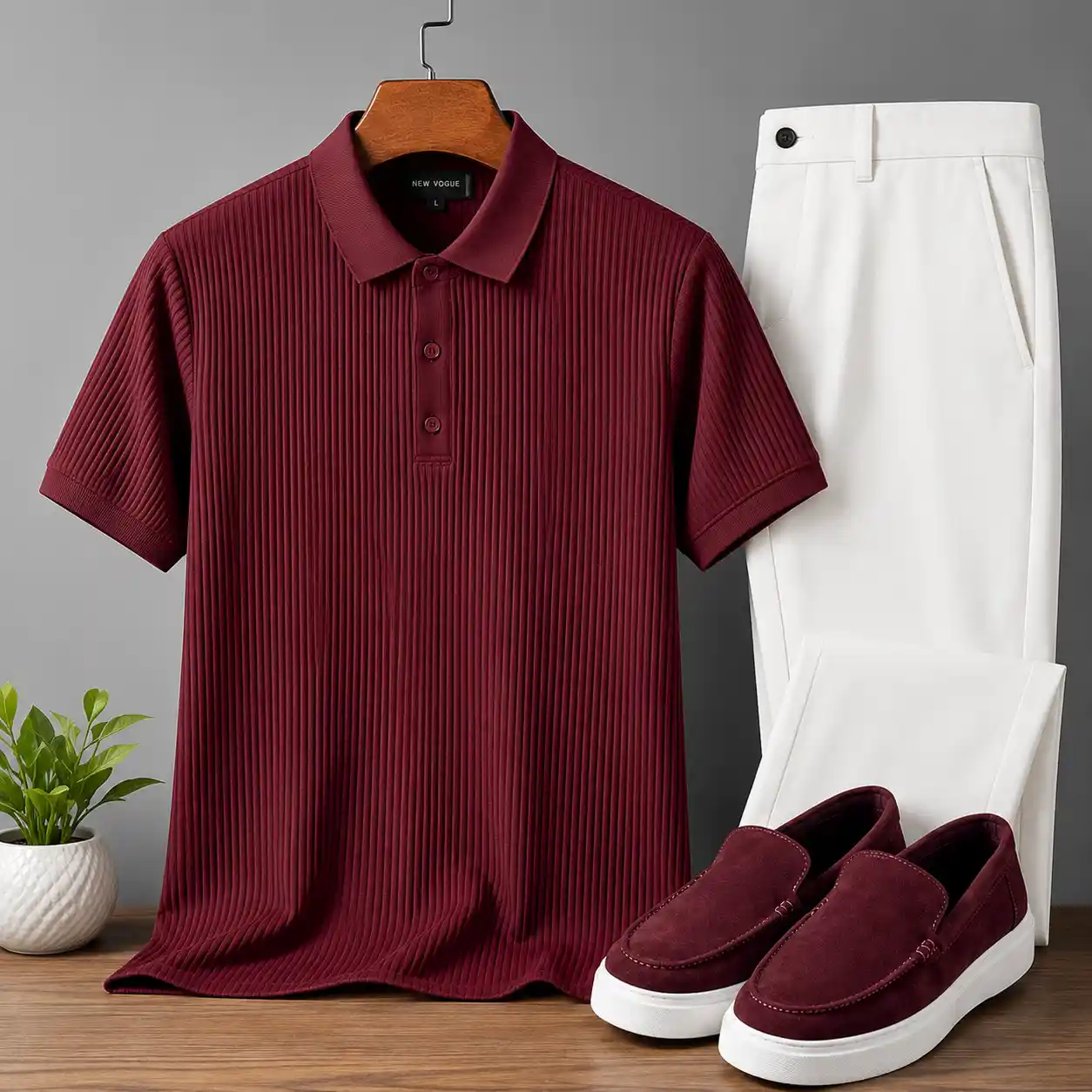
Polo Shirt Color: Maroon / Wine Red
Trousers Color: Crisp White
Fit Type: Regular Fit
Neck Type: Polo Collar with Three-Button Placket
Sleeves: Short Sleeves with Ribbed Cuffs
Pattern: Vertical Ribbed Knit Texture
Fabric: Premium Cotton Blend
Occasion: Smart Casual, Weekend Outings, Travel, Semi-Formal Events
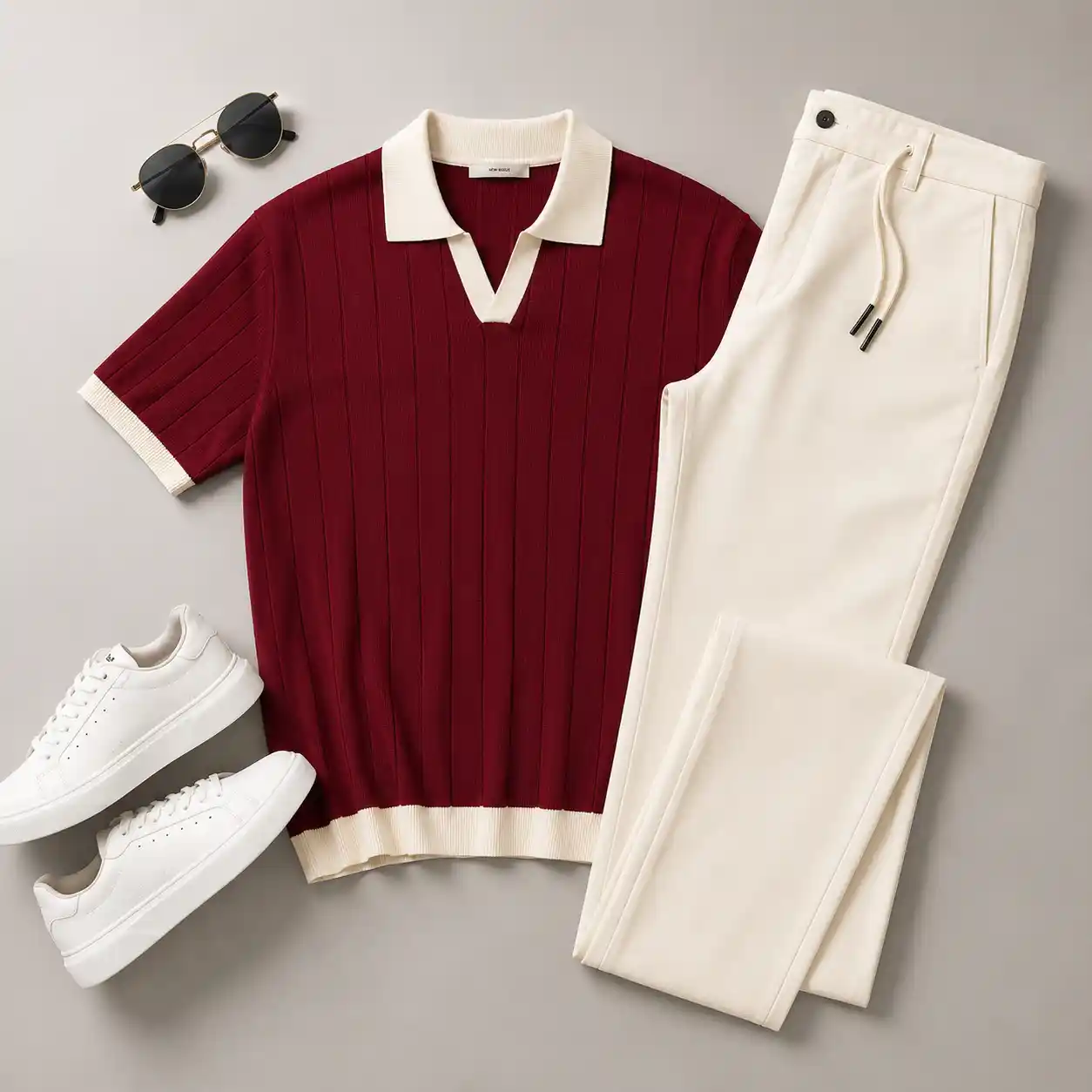
The set features a rich maroon polo shirt defined by its sophisticated vertical ribbed knit texture, completed with a classic polo collar and a neat three-button placket. It is perfectly paired with tailored, clean white formal trousers that create a striking color contrast. Ideal for holiday travel, casual Fridays at the office, or upscale weekend brunches, this combination delivers a polished, effortlessly sharp look that keeps you comfortable all day long.
Choosing a life insurance policy in Canada involves more than just comparing premiums. The two main categories, term and permanent, serve very different purposes, and picking the wrong one for your stage of life can mean either overpaying for features you don't need or leaving your family underinsured. Term life insurance covers you for a fixed period, typically 10, 20, or 30 years, and pays a death benefit only if you pass away during that term. It is significantly cheaper than permanent insurance and suits most Canadians who primarily want to protect a mortgage or replace income while raising children, since the need for coverage naturally declines once a mortgage is paid off and kids become financially independent.
Permanent insurance, including whole life and universal life policies, never expires as long as premiums are paid, and it builds a cash value component over time that can be borrowed against. Premiums are considerably higher than term coverage, which makes permanent insurance better suited to estate planning, business succession, or specific tax-deferral strategies rather than straightforward income replacement.
Coverage amount is usually calculated using a multiple of annual income, often in the range of 7 to 10 times your salary, adjusted for outstanding debts like a mortgage, future education costs for children, and any existing savings or workplace coverage you already have. A simple online calculator can give a rough estimate, but reviewing your specific debts and dependents with an advisor gives a more accurate number. Medical underwriting affects both your eligibility and your premium. Insurers will ask about your health history, family medical history, smoking status, and sometimes require a medical exam for larger policies.
Product Type: Polo Shirt & Trousers Combo Set
Polo Shirt Color: Maroon / Wine Red
Trousers Color: Crisp White
Fit Type: Regular Fit
Neck Type: Polo Collar with Three-Button Placket
Sleeves: Short Sleeves with Ribbed Cuffs
Pattern: Vertical Ribbed Knit Texture
Fabric: Premium Cotton Blend
Occasion: Smart Casual, Weekend Outings, Travel, Semi-Formal Events
The set features a rich maroon polo shirt defined by its sophisticated vertical ribbed knit texture, completed with a classic polo collar and a neat three-button placket. It is perfectly paired with tailored, clean white formal trousers that create a striking color contrast. Ideal for holiday travel, casual Fridays at the office, or upscale weekend brunches, this combination delivers a polished, effortlessly sharp look that keeps you comfortable all day long.
Choosing a life insurance policy in Canada involves more than just comparing premiums. The two main categories, term and permanent, serve very different purposes, and picking the wrong one for your stage of life can mean either overpaying for features you don't need or leaving your family underinsured. Term life insurance covers you for a fixed period, typically 10, 20, or 30 years, and pays a death benefit only if you pass away during that term. It is significantly cheaper than permanent insurance and suits most Canadians who primarily want to protect a mortgage or replace income while raising children, since the need for coverage naturally declines once a mortgage is paid off and kids become financially independent.
Permanent insurance, including whole life and universal life policies, never expires as long as premiums are paid, and it builds a cash value component over time that can be borrowed against. Premiums are considerably higher than term coverage, which makes permanent insurance better suited to estate planning, business succession, or specific tax-deferral strategies rather than straightforward income replacement.
Coverage amount is usually calculated using a multiple of annual income, often in the range of 7 to 10 times your salary, adjusted for outstanding debts like a mortgage, future education costs for children, and any existing savings or workplace coverage you already have. A simple online calculator can give a rough estimate, but reviewing your specific debts and dependents with an advisor gives a more accurate number. Medical underwriting affects both your eligibility and your premium. Insurers will ask about your health history, family medical history, smoking status, and sometimes require a medical exam for larger policies.